Seat Belts & Airbags
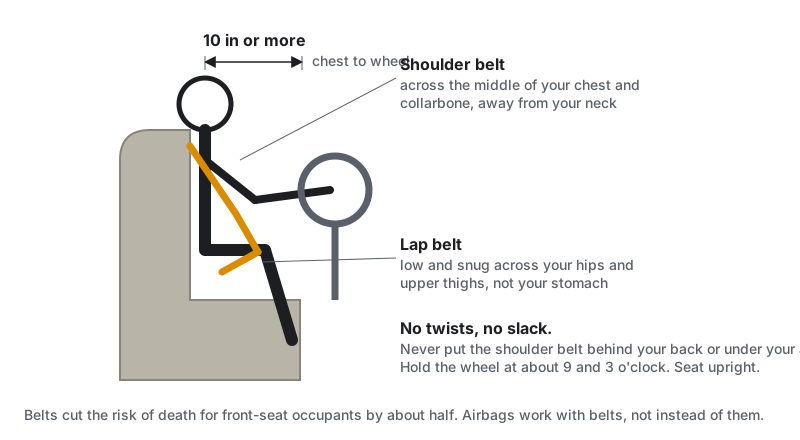
Seat belts are the most effective way to survive a crash. They keep you in your seat, spread crash forces across the strongest parts of your body, and keep you from being thrown out of the vehicle. Airbags are designed to work with seat belts, not instead of them.
- All drivers
- Passengers
- Work vehicles
Why belts work
- In a crash, the car stops but your body keeps moving at the same speed until something stops it: the belt, or the steering wheel, windshield or road.
- Wearing a lap and shoulder belt cuts the risk of death for front-seat car occupants by about half.
- People thrown from a vehicle are far more likely to die. Belts prevent ejection.
- Unbelted back-seat passengers can be thrown forward into the people in front of them.
Wearing it right
- Lap belt low and snug across your hips and upper thighs, not your stomach
- Shoulder belt across the middle of your chest and collarbone, away from your neck
- Never put the shoulder belt behind your back or under your arm
- No twists in the belt; no slack
- Seat upright, not reclined far back while moving
Airbags
- Airbags inflate in a fraction of a second with great force. Sit with your chest at least 10 inches from the steering wheel.
- Hold the wheel at about 9 and 3 o’clock so your arms aren’t thrown into your face.
- Don’t put feet on the dashboard or lean against the door; side and front airbags can cause serious injuries.
- If the airbag warning light stays on, get it checked; the airbag may not deploy.
- Check for airbag recalls, which have included dangerous inflators. See the NHTSA recall lookup.
Children
Children under 13 are safest in the back seat. Never put a rear-facing car seat in front of an active front airbag. See Child Car Seats & Boosters.
Pregnancy
Pregnant people should always wear a belt: lap belt below the belly across the hips, shoulder belt between the breasts and to the side of the belly. Move the seat back as far as comfortable. After any crash, see a doctor even if you feel fine.
At work
Wear seat belts in every company vehicle, and in heavy equipment with a rollover protective structure. See Heavy Equipment Basics.
Standards & references
Last updated: