Home Fire Escape Plan
In a home fire, you may have only a couple of minutes to get out after the alarm sounds. A plan everyone has practiced can make the difference.
- Families
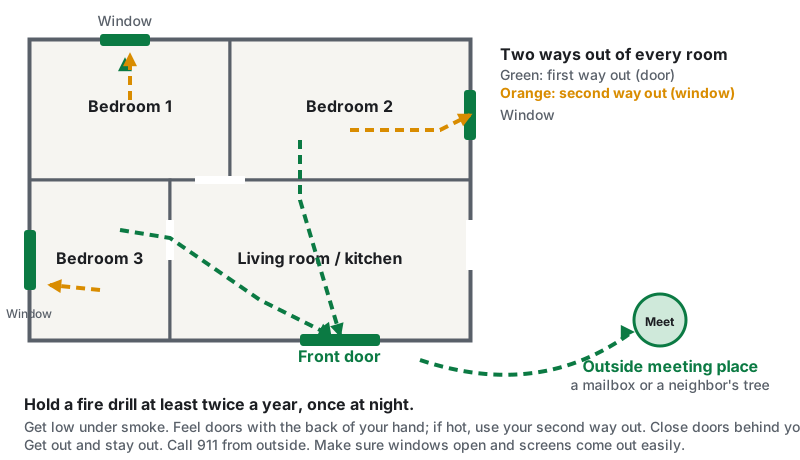
Make your plan
- Draw a map of your home showing all doors and windows.
- Find two ways out of every room when possible. Make sure windows open and screens come out easily.
- For upper floors, consider escape ladders and practice using them.
- Pick an outside meeting place a safe distance from the home, like a mailbox or a neighbor’s tree.
- Plan who will help young children, older adults and anyone with a disability.
- Make sure your house number is easy to see from the street.
Practice
Hold a home fire drill at least twice a year, including once at night. Practice getting low under smoke and feeling doors for heat.
In a real fire
- Get out and stay out. Never go back inside for anything.
- Get low and go under smoke.
- Feel doors with the back of your hand before opening; if hot, use your second way out.
- Close doors behind you to slow the fire.
- Call 911 from outside.
- If you can’t get out, close the door, put towels under it, call 911, and signal from a window.
Close before you doze: sleeping with your bedroom door closed can keep smoke and heat out much longer.
To-do: your family fire plan
- Draw a floor plan with two ways out of every room
- Check that every window opens and screens come out
- Buy escape ladders for upstairs bedrooms if needed
- Pick an outside meeting place and tell everyone
- Decide who helps young children, older adults and pets
- Test every smoke alarm
- Make your house number visible from the street
- Hold a fire drill, then schedule the next one (including one at night)
Standards & references
Last updated: