Smoke & Carbon Monoxide Alarms
Working smoke alarms roughly cut the risk of dying in a home fire in half. Carbon monoxide (CO) alarms warn you of a gas you can’t see or smell.
- Homeowners
- Renters
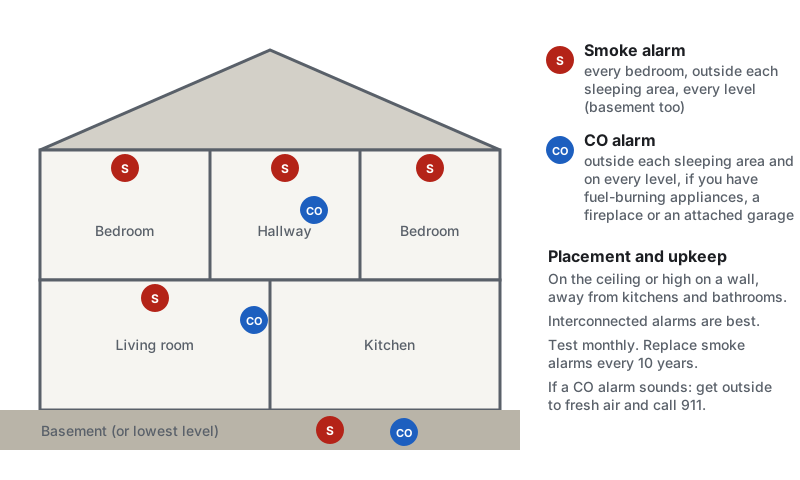
Smoke alarms
- In every bedroom, outside each sleeping area, and on every level including the basement
- On the ceiling or high on the wall, away from kitchens and bathrooms to reduce nuisance alarms
- Interconnected alarms (when one sounds, they all sound) are best
- Test monthly with the test button
- Replace batteries as the manufacturer says (or use 10-year sealed battery alarms)
- Replace the whole alarm every 10 years (check the date on the back)
Carbon monoxide alarms
- Outside each sleeping area and on every level, if you have any fuel-burning appliance, a fireplace, or an attached garage
- Test monthly; replace per the manufacturer (often 5 to 10 years)
- Combination smoke/CO alarms are available
If the CO alarm sounds: get everyone outside to fresh air right away and call 911. Don’t go back in until responders say it’s safe. Symptoms of CO poisoning include headache, dizziness, nausea and confusion, and can feel like the flu.
Special needs
Alarms with strobe lights and bed shakers are available for people who are deaf or hard of hearing. Many fire departments install alarms for free.
Standards & references
Last updated: