Combustible Dust
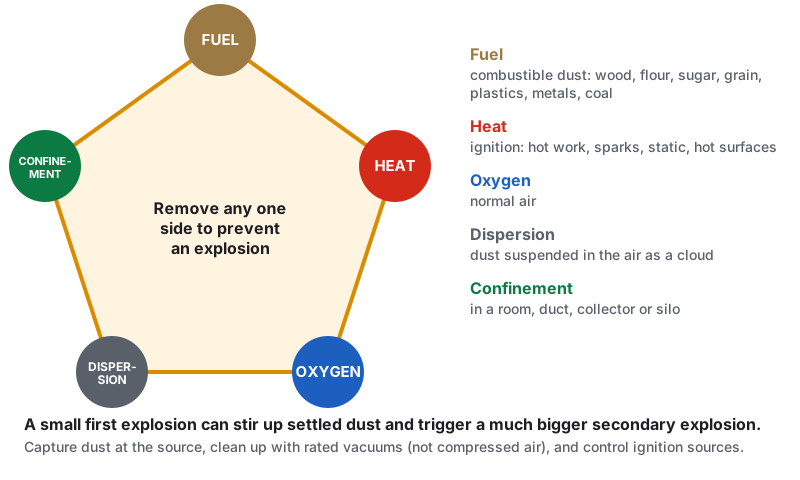
Many ordinary materials, like wood, flour, sugar, grain, plastics, metals and coal, can explode when ground into fine dust and suspended in the air. A small first explosion can stir up settled dust and trigger a much bigger secondary explosion.
- General Industry
- Manufacturing
Where it’s found
Woodworking shops, grain elevators, food processing, plastics and rubber manufacturing, metal grinding and finishing (especially aluminum and magnesium), pharmaceuticals, coal handling, and 3D-printing and powder coating.
Warning signs
- Dust layers on floors, beams, ductwork, light fixtures and equipment tops (even a layer the thickness of a paper clip over large areas can be dangerous)
- Dust clouds during normal work
- Dust collectors located indoors without explosion protection
Prevention
- Capture dust at the source with properly designed dust collection.
- Clean up regularly, including high surfaces, using methods that don’t create dust clouds (vacuums rated for combustible dust, not compressed air).
- Control ignition sources: hot work permits, proper electrical equipment, bonding and grounding.
- Follow your facility’s dust hazard analysis and NFPA standards.
Standards & references
- OSHA: Combustible dust
- NFPA 652: Standard on the fundamentals of combustible dust
Last updated: