Electrical Grounding & Bonding Basics
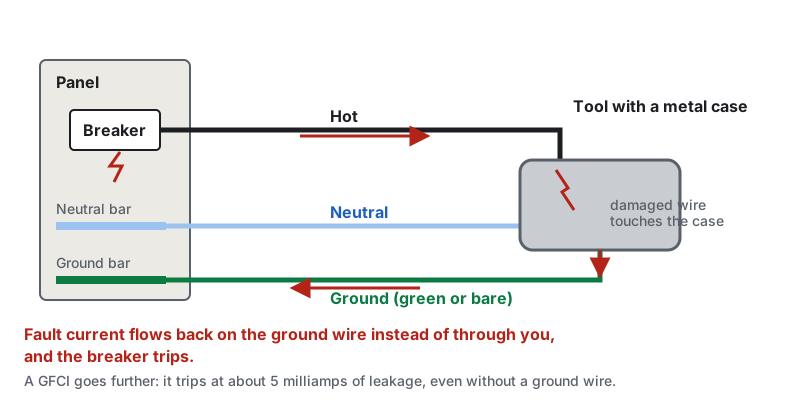
The third prong on a plug isn’t there for decoration. Grounding and bonding give stray electricity a safe path so a fault trips the breaker instead of flowing through you. When the ground is missing, a damaged tool can sit there fully energized, waiting for someone to pick it up.
- All workers
- Electricians
What they mean
| Term | What it does |
|---|---|
| Equipment grounding conductor (green or bare wire, third prong) | Connects metal cases, boxes and frames back to the panel, giving fault current a low-resistance path so the breaker or fuse trips fast |
| Grounding (earthing) | Connects the electrical system to the earth, which helps limit voltage from lightning, surges and line contact |
| Bonding | Connects metal parts together so they’re at the same voltage and no current flows between them if touched |
| GFCI | Senses small leaks of current (about 5 milliamps) and shuts off power in a fraction of a second, even without a ground |
Signs of a grounding problem
- A tingle or shock from a tool, appliance, panel, pipe or metal frame
- Missing or bent ground prongs, or cords with the ground pin cut off
- Cheater plugs (3-to-2 adapters) in use
- A plug-in receptacle tester showing “open ground” or “reversed”
- Loose or corroded ground clamps on generators, panels or water pipes
If you get shocked, stop using the equipment, tag it out and report it. A tingle is a warning that the next contact could be worse.
On construction sites
OSHA requires ground-fault protection for receptacles workers use. Employers can use GFCIs or an assured equipment grounding conductor program, in which a competent person tests cords, receptacles and cord-and-plug equipment for ground continuity and correct wiring:
- Before first use
- Before equipment goes back into service after any suspected damage or repair
- At least every 3 months (6 months for cord sets and receptacles that are fixed and not exposed to damage)
Tested equipment is marked (often with colored tape) and the tests are recorded. See GFCIs and Temporary Power.
Bonding for static
When pouring flammable liquids between metal containers, bond the containers together with a bonding wire and ground the dispensing container, so a static spark can’t jump between them. See Flammable Liquids.
Generators
Follow the maker’s instructions on grounding portable generators. Use GFCI-protected outlets on construction sites, and never backfeed a building without a transfer switch. See Portable Generators.
Double-insulated tools (marked with a square inside a square) have two-prong plugs by design and don’t need a ground pin. But they still need GFCI protection on construction sites and can still shock you if wet or damaged.
Standards & references
- 29 CFR 1926.404: Wiring design and protection, including GFCIs and assured grounding
- 29 CFR 1910.304(g): Grounding (general industry)
- See also: Electrical Basics · Extension Cords
Last updated: